 How-to
How to Choose a Pediatric Chiropractor for Your Child
Last Updated: November 21, 2026
Quick Summary
To choose a pediatric chiropractor, look for a licensed Doctor of Chiropractic with pediatric-specific training and hands-on experience with infants and children. Confirm the provider will explain what they do and why, and ask how many children they see weekly before you book.
- Verify an active state license and a Doctor of Chiropractic degree from an accredited school.
- Ask what pediatric training they completed and when they last trained.
- There is no universal minimum age; training and experience with young children matter more.
- Walk away from anyone who promises a cure or pressures you into a long visit package.
- A good first visit includes an intake, a gentle exam, and findings explained before any care.
Table of Contents
- Start With the Right Mindset Before You Search
- Pediatric Chiropractor Certification and Training to Look For
- What Age Can a Child Go to a Chiropractor?
- Questions to Ask a Pediatric Chiropractor Before You Book
- Red Flags When Choosing a Chiropractor for Your Child
- What to Expect at the First Visit and How Care Is Adapted for Kids
- Book Your First Visit With a Pediatric-Focused Chiropractor
- Frequently Asked Questions
Start With the Right Mindset Before You Search
Learning how to choose a pediatric chiropractor starts with one question: what do you actually want for your child? Most parents searching for a pediatric chiropractor are tired. They have tried the usual fixes for sleep struggles, feeding trouble, or a little one who seems constantly uncomfortable. Parents across Allen, McKinney, and North Dallas often tell that same story. Your mindset matters here. You are not shopping for a quick fix. You are looking for a careful, trained partner who will explain what they do, why they do it, and when to stop. That single standard filters out most of the noise before you make a single call.
Pediatric Chiropractor Certification and Training to Look For
Look for a licensed Doctor of Chiropractic with pediatric-specific training, hands-on experience with infants and children, and a clear willingness to explain both. A general family chiropractor and a pediatric-focused one are not the same thing.
Licensure and the Doctor of Chiropractic Credential
Every chiropractor you consider should hold an active state license and a Doctor of Chiropractic degree from an accredited school. You can verify licensure through your state's chiropractic board. Ask directly. A confident provider will hand over the details without hesitation.
Pediatric-Specific Coursework and Advanced Training
Chiropractic school gives a broad foundation, but pediatric work calls for extra study. Ask any provider you consider about the pediatric training they have completed and when they last trained, since ongoing education matters as much as the original degree.
Here are the core credentials and training points to confirm before you book.
| What to check | What to look for | How to confirm |
|---|---|---|
| State license | Active state license | Verify through your state's chiropractic board |
| Degree | Doctor of Chiropractic from an accredited school | Ask the provider directly |
| Pediatric training | Pediatric-specific coursework and advanced training | Ask what training they completed and when they last trained |
| Hands-on experience | Experience with infants and children | Ask how many infants and children they see weekly |
| Willingness to explain | Clear explanations of what they do and why | Ask questions and gauge the answers |
What Age Can a Child Go to a Chiropractor?
There is no universal minimum age. Many pediatric-focused chiropractors see newborns, infants, children, and teens, with techniques adapted to each stage of development. The real question is not age. It is whether the provider has training and experience with children that young. A provider who mainly treats adults should say so honestly. Ask what ages they see most often and how their approach changes for a newborn versus a school-age child.
Questions to Ask a Pediatric Chiropractor Before You Book
Ask about training, experience, technique, safety, and how the provider handles a child who is scared or unsure. The answers tell you more than any website. Bring these to your first call:
- What pediatric training and certification do you hold?
- How many infants and children do you see in a typical week?
- How do you adjust your technique for a newborn versus a teen?
- What happens if my child is fussy or frightened during a visit?
- How do you decide when care should stop or change?
- Will you explain findings to me in plain language?
- How do you work alongside our pediatrician?
For a ready-made list you can print and bring along, see our questions to ask a pediatric chiropractor.
Red Flags When Choosing a Chiropractor for Your Child
Most parents come to this decision already worried. You are not being difficult by asking hard questions, you are doing exactly what a careful parent should do. A provider who treats children well will expect those questions and answer them without flinching. The warning signs below are the ones that should make you pause, slow down, or walk away entirely.
Promises That Go Beyond What Care Can Deliver
Be cautious with any provider who guarantees a cure, promises to fix a condition outright, or tells you that a set number of visits will resolve sleep, feeding, focus, or development concerns. No honest practitioner can promise a specific outcome for your child. Watch out: if the language shifts from "we will evaluate and see how your child responds" to "this will fix it," that is a signal to ask for the reasoning in plain terms and to be comfortable walking away if you do not get it.
Pressure to Stop or Delay Other Care
A chiropractor should never tell you to stop a treatment, medication, or care plan your child's other providers have recommended, and should never discourage you from seeking care for a concern that needs it. If anyone frames chiropractic care as a replacement for other care rather than a complement to it, treat that as a serious red flag. You should also be wary of any provider who dismisses your child's pediatrician or discourages you from sharing information with them.
Unclear Risks, Limits, and Consent
You are entitled to a clear explanation of what will happen, what could go wrong, and what the limits of care are before anything is done. Warning signs include reluctance to discuss risks, vague answers when you ask what techniques will be used, or a refusal to put the plan in writing. For a child old enough to understand, ask how the provider obtains your child's agreement before care, a provider who ignores a child's hesitation or discomfort is not demonstrating the kind of care you want.
Pressure, Packaging, and Rushed Decisions
Walk away from any provider who pressures you into a long visit package before an exam, quotes a plan before evaluating your child, or becomes irritated when you want time to think. Other warning signs:
- No clear explanation of what will happen at the visit
- Reluctance to discuss risks or the limits of care
- No interest in your child's medical history or pediatrician
- Aggressive techniques described as safe for any age
- Dismissiveness when you raise a concern
- A hard sell on frequency or duration before your child has been evaluated
A trustworthy provider welcomes your questions and never rushes you past them. If you want reassurance on what safe, gentle care for kids looks like, read is chiropractic safe for kids and babies.
What to Expect at the First Visit and How Care Is Adapted for Kids
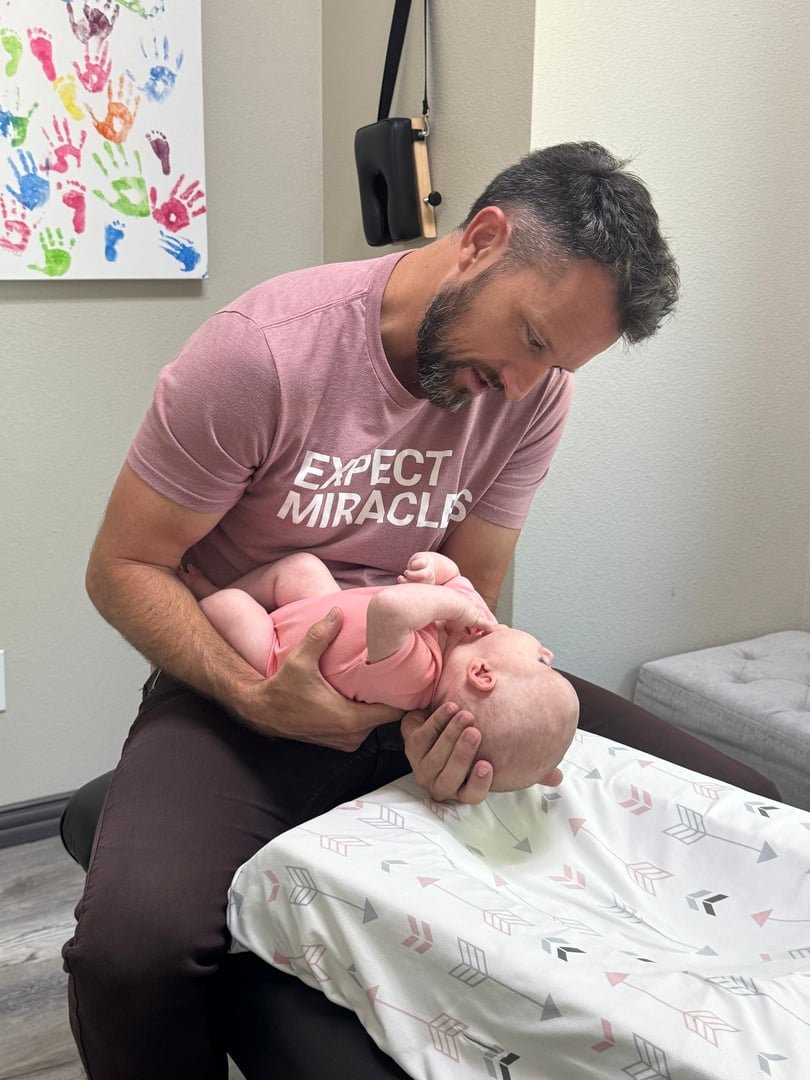
A good first visit includes an intake, a gentle examination, and a clear conversation about findings before any care begins. The first visit is mostly about learning your child's history and comfort level. A good visit feels unhurried, and you should leave understanding what was found and what, if anything, is being recommended.
What the Intake and Exam Should Cover
A thoughtful intake covers your child's birth and medical history, current concerns, sleep and feeding patterns, and any care your child is already receiving. The exam should be gentle and age-appropriate, and you should be told what was found in plain language before any care is proposed. If you are handed a plan before an exam, that is a reason to slow down.
Gentle Techniques and Age-Appropriate Adjustments
Pediatric care is generally gentler than adult adjustments, and the approach should be tailored to a child's size and stage. Ask the provider to walk you through the technique before it happens, and say so if you want to watch closely. For your child's age specifically, ask exactly which techniques will be used and how much force is involved, broad assurances that care is "gentle" or "safe" are not the same as a specific answer. For a newborn, ask how the provider supports the head and neck and what position your baby will be in. For a school-age child or teen, ask how the provider explains care to your child and how your child's comfort is checked during the visit.
Talking With Your Pediatrician and Knowing the Limits of Care
Chiropractic care is not a substitute for medical care. Tell your child's pediatrician what you are considering, and share any findings. Some concerns need medical evaluation first, and a good chiropractor will say so. Knowing the limits of care protects your child and keeps everyone on the same page. Our guide to your child's first visit walks through what to expect, and our preparation tips help you and your child feel ready.
Book Your First Visit With a Pediatric-Focused Chiropractor
Choosing well comes down to training, honesty, and comfort. At New Directions Chiropractic, Dr. Jonathon Harrison brings Pediatric Experience Certification (2022) and a gentle, nervous system-focused approach for babies, children, and expecting mothers. Our kid-friendly clinic is built to put little ones at ease, and we take time to educate parents at every step. If your child struggles with sleep, focus, or development, we would love to talk through how gentle, nervous system-focused care may support your family. Get started with New Directions Chiropractic and book your first visit with a pediatric-focused team that treats your child like family.
A worried parent deserves clear answers, not pressure. If you are ready to move forward, we are here to walk through your child's history, explain our approach, and help you decide what fits. Start with a conversation, ask every question on your list, and let us show you how gentle, family-centered care can support your child's sleep, focus, and development.
Frequently Asked Questions
What should I look for in a pediatric chiropractor?
Look for a licensed Doctor of Chiropractic with pediatric-specific training, hands-on experience with infants and children, and a gentle, age-appropriate approach. Ask how they adapt techniques for babies, how they communicate with kids, and whether they welcome questions. A good pediatric chiropractor explains care goals clearly, respects informed consent, and never pressures you into a long visit schedule before you understand the plan.
What is a red flag when choosing a chiropractor for a child?
Red flags include promises of a cure, pressure to commit to many visits upfront, refusal to explain techniques, and no interest in coordinating with your child's pediatrician. Be cautious if the practitioner dismisses your questions, makes you feel rushed, or claims adjustments replace medical care. Trust your instincts: a caring pediatric chiropractor welcomes a second opinion and explains potential risks and benefits honestly.
What questions should I ask before choosing a pediatric chiropractor?
Ask about their pediatric chiropractor certification, how many infants and children they treat, and how they modify adjustments by age. Ask what the first visit includes, how they measure progress, and what red flags would make them pause care. Also ask how they communicate with children and whether they coordinate with pediatricians. Clear, specific answers show a practitioner who puts your child's safety first.
How does a chiropractor adapt care for babies and children?
Pediatric chiropractic care is generally gentler than adult adjustments and should be tailored to the child's age and comfort. A good provider explains what they are doing in kid-friendly language and watches for cues that a child needs a break.